
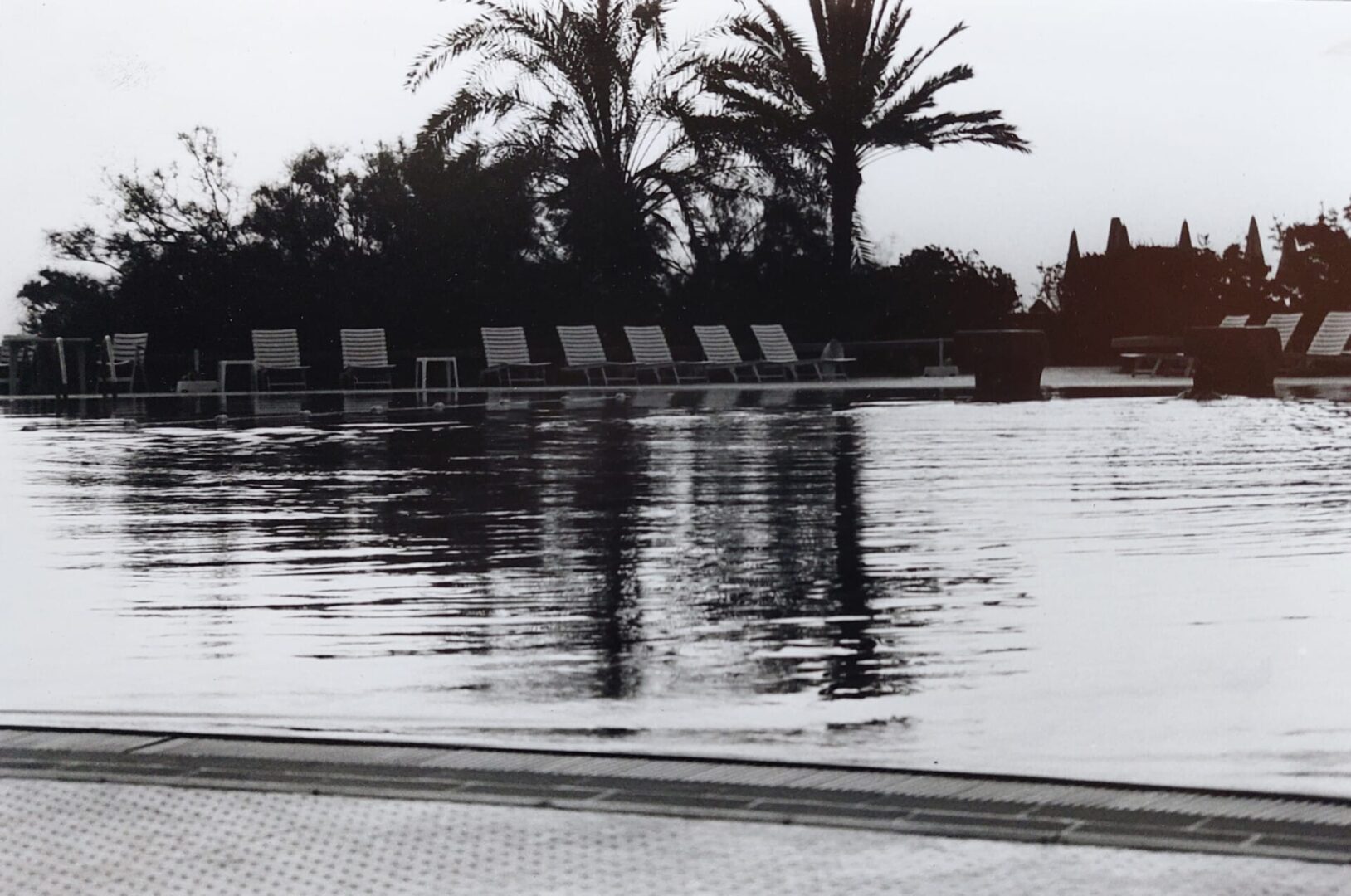
Reflections and Shadows
In the realm of photography, reflections and shadows play a pivotal role in creating depth and dimension. These elements can transform a simple photograph into a captivating piece of art, adding layers of meaning and complexity. Understanding the nuances of reflections and shadows is essential for any photographer aiming to enhance their skills and produce visually striking images.
Understanding Reflections
Reflections serve as a mirror, offering a unique perspective of the subject. They can be found in various surfaces such as water, glass, and polished metal. The art of capturing reflections involves a keen eye for symmetry and balance. By leveraging reflections, photographers can create a harmonious composition that draws the viewer’s attention. Whether it’s the serene reflection of mountains on a lake or the intricate patterns of city lights on wet pavement, reflections add a new dimension to visual storytelling.
The Role of Shadows
Shadows, on the other hand, introduce contrast and depth to a photograph. They can be used to highlight the texture, form, and contours of the subject. Shadows can evoke emotions, create mood, and even suggest movement. By mastering the interplay of light and shadow, photographers can produce dramatic and evocative images. Shadows can transform an ordinary scene into something extraordinary, inviting viewers to explore the hidden details within the frame.
Combining Reflections and Shadows
The true artistry lies in the seamless integration of reflections and shadows in a single composition. This combination can create a visually compelling narrative, where each element complements the other. By experimenting with different angles and lighting conditions, photographers can discover innovative ways to incorporate reflections and shadows into their work. The dynamic interaction between these elements can lead to stunning visual effects, making the photograph stand out.